

Lighting is often considered a basic necessity in every home, but its influence on interior appearance goes far beyond simple visibility. It is one of the most powerful yet underrated elements in interior design because it directly affects how every other design choice is perceived. Even a well-furnished and beautifully decorated space can feel dull, flat, or uninviting if the lighting is poorly planned.
Lighting affects how colors appear, how textures are revealed, and how comfortable a room feels in daily use. It also influences the mood and atmosphere of a space in a very subtle but impactful way. Many homeowners tend to focus heavily on furniture, wall finishes, and decorative elements while overlooking lighting as a key design component. However, without proper lighting, even high-quality interior design can lose its impact. Understanding how lighting interacts with interior elements is essential in creating a home that feels both visually appealing and comfortable to live in.
1. Highlight Key Design Features
Lighting plays an essential role in emphasizing important design features within a room, helping to create visual hierarchy and focal points. Elements such as artwork, decorative shelves, feature walls, and textured surfaces can be enhanced significantly through well-planned accent lighting. Instead of allowing these details to blend into the background, lighting brings them forward and makes them more visually engaging.
Without proper lighting, many of these design elements may go unnoticed or fail to achieve their intended impact. Even expensive or carefully selected décor can appear ordinary if it is not properly highlighted. Strategic lighting placement ensures that the most important features in a room stand out clearly, improving the overall visual structure and making the space feel more intentional and professionally designed.
2. Improve Color Visibility
Lighting has a direct and noticeable effect on how colors are perceived inside a home. The same paint color, furniture piece, or decorative item can look completely different depending on the type and quality of lighting used. Poor lighting conditions often cause colors to appear dull, washed out, or inconsistent with their original tone.
On the other hand, well-designed lighting enhances color accuracy and vibrancy, allowing interior materials to be seen as intended. This is especially important in spaces where color coordination plays a major role in the overall design concept. Proper lighting ensures that the visual harmony of a room is maintained, making the entire space look more polished, balanced, and aesthetically pleasing.
3. Reduce Unwanted Shadows

Incorrect lighting placement often results in strong, uneven shadows that negatively affect the appearance of a room. These shadows can make spaces feel visually cluttered, uncomfortable, or poorly balanced, especially when light is coming from only one direction or source.
Balanced lighting design helps distribute light more evenly across the room, reducing harsh contrasts between bright and dark areas. This creates a smoother and more natural visual flow, improving both comfort and clarity. When shadows are controlled properly, the space feels cleaner, more open, and more pleasant to live in, enhancing the overall interior experience.
4. Enhance Room Depth and Spatial Perception
Lighting is also a powerful tool for changing how large or small a space feels. Through strategic placement, lighting can create the illusion of depth, making a room appear more spacious than it actually is. Techniques such as wall washing, corner lighting, and vertical illumination help extend visual boundaries and reduce the feeling of confinement in smaller rooms.
This is particularly useful in compact homes or apartments where maximizing visual space is important. Instead of relying solely on physical renovation or furniture arrangement, lighting alone can significantly improve spatial perception. A well-lit room feels more open, airy, and comfortable, even if its actual size remains unchanged.
5. Support Interior Design Goals
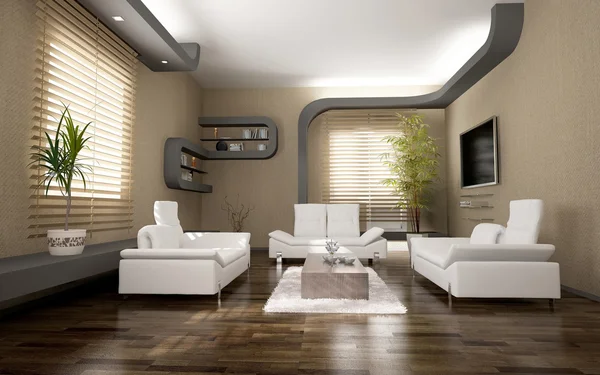
Lighting should always work in harmony with the overall interior design theme of a home. Whether the style is modern, minimalist, classic, or luxury-inspired, lighting choices should reinforce and enhance the intended design direction. The right fixtures, brightness levels, and color temperatures help strengthen the identity of a space.
When lighting is aligned with the design concept, it creates a sense of unity and balance throughout the interior. Every element feels connected, and the space appears more cohesive and professionally planned. Without this alignment, even a well-designed room may feel incomplete or visually inconsistent.
Conclusion
Lighting plays a powerful and often underestimated role in shaping the appearance, comfort, and overall quality of a home. It influences how colors are seen, how textures are perceived, and how spacious a room feels, all while supporting the overall design concept.
When lighting is thoughtfully planned and properly integrated into interior design, it enhances both aesthetics and functionality. A well-lit home does not just look better it feels better to live in, creating a more inviting, balanced, and enjoyable environment for everyday life.