

Walk into any well-designed hotel room, restaurant, or high-end residential interior and notice something about the quality of the light. There's depth to it. Different parts of the room feel different. Some areas are brighter, others softer. The overall effect is rich and considered without being dramatic or overpowering. What you're experiencing is layered lighting and it's one of the most transferable principles from professional interior design into your own home.
The concept is simple: instead of relying on a single source of light, you combine multiple types of lighting, each serving a different purpose. The result is a space that's more functional, more atmospheric, and more visually interesting than anything a single ceiling fitting can produce.
The Three Layers and What They Do
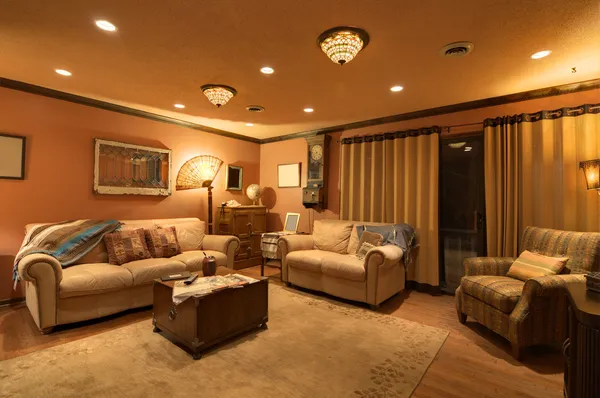
Ambient lighting is the base layer the general illumination that allows the room to function. It lights the space broadly enough that people can move around comfortably and see clearly. In most rooms, ambient lighting comes from ceiling-mounted sources: recessed downlights, a central pendant or surface fitting, or a combination of these.
The goal of ambient lighting is evenness. It should illuminate the room consistently without creating harsh bright spots or significant areas of shadow. A well-designed ambient layer makes the room feel comfortable and complete it's the foundation everything else builds on.
Task lighting is the focused layer light directed specifically at the places where activities happen. Reading, cooking, working, grooming all of these require more directed, sometimes more intense, light than ambient sources provide.
A reading lamp beside the sofa. Under-cabinet lighting in the kitchen. A desk lamp in the home office. Vanity lighting around the bathroom mirror. Task lighting serves a clear functional purpose: it ensures that wherever something important is happening, there's enough light to do it well, without straining.
Accent lighting is the character layer the one most homes skip entirely, and the one that makes the biggest difference to whether a space feels designed or merely furnished. Accent lighting highlights specific features: artwork, textured walls, architectural details, decorative objects, shelving. It creates contrast and draws attention to the parts of the room worth noticing.
Without accent lighting, rooms tend to look flat everything visible at roughly the same brightness level, nothing standing out. With even a small amount of well-placed accent lighting, the room gains depth, visual interest, and a sense of being composed rather than assembled.
Why the Combination Matters
The power of layered lighting comes from the interaction between the three layers. Ambient lighting alone produces a functional but atmospherically flat space. Task lighting alone leaves parts of the room too dark. Accent lighting alone creates drama without comfort.
Together, they create a room that can be adjusted for different situations full ambient for practical daytime use, ambient plus accent for a relaxed evening atmosphere, task lighting alone for focused work. The room becomes adaptable in a way that single-source lighting never can be.
How to Start Layering in Your Own Home
If you're starting from scratch, plan all three layers from the beginning it's much easier to install them together than to retrofit them later. If you're working with an existing space, identify which layer is most lacking.
Most Malaysian homes have adequate ambient lighting and insufficient task and accent lighting. Adding a reading lamp, a desk light, or a small spotlight on an artwork is often the change that transforms how a room feels without any electrical work at all.
The investment in getting this right is real but so is the return. A properly layered room feels completely different from a single-source room, and the difference compounds every time you use the space.
If you'd like help planning a layered approach for any room in your home, we'd love to talk through it with you.