

When a room feels dim, the automatic instinct is to add more lights. More fittings, more wattage, more brightness. But this approach often doesn't address the actual cause of the problem and it adds cost, electrical work, and sometimes more visual clutter than the room needs. Before you start booking an electrician, there are several changes that can dramatically improve how bright a room feels without touching the light fittings at all.
Use Reflective Surfaces to Extend Your Light
Light behaves differently depending on what it lands on. Matte, dark, and heavily textured surfaces absorb light. Glossy, light, and reflective surfaces bounce it back into the room. This means the surfaces you choose have a significant effect on how bright your existing lighting actually feels.
Mirrors are the most powerful tool here. A mirror placed opposite a window multiplies the apparent amount of natural light in a room. A mirror positioned to catch the light from a floor lamp or ceiling fitting extends that light across a wider area. This isn't a visual trick it's genuinely how light behaves. A well-placed mirror can change the experience of a room more dramatically than adding another fitting.
Other reflective elements glass table surfaces, metallic accents, glossy tiles, polished stone all contribute to this effect in smaller ways. The cumulative impact of multiple reflective surfaces in a room can be significant.
Choose Lighter Colours for Your Walls
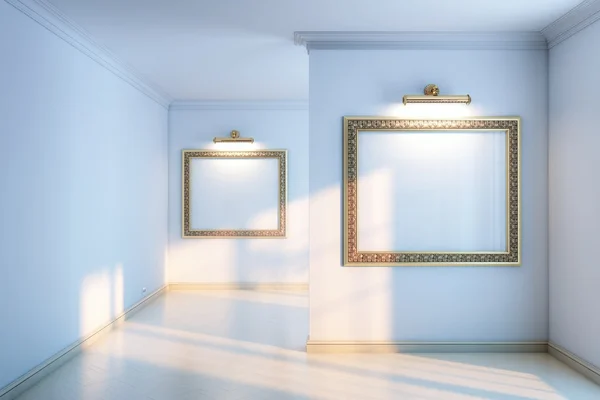
Wall colour is one of the most underappreciated factors in residential lighting. Light walls reflect a high proportion of the light that hits them back into the room. Dark walls absorb it. This means the colour of your walls directly determines how effectively your existing light fittings illuminate the space.
A room painted in deep tones requires substantially more light output to feel adequately bright compared to the same room painted in a lighter shade. If your space feels persistently dim and you're working with dark or saturated wall colours, adjusting the paint even just to a lighter version of the same hue can make a more noticeable difference than adding extra fittings.
Reposition Your Existing Fittings
The direction a light is pointed matters as much as the quantity of light it produces. A downlight aimed directly at the floor illuminates the floor. A fitting angled toward a wall bounces light across a much larger surface area, creating a perception of brightness that extends well beyond the fitting itself.
If your fittings are adjustable spotlights, track lighting, or directional downlights experimenting with their angle costs nothing and can significantly change how the room feels. Pointing them toward walls or using them to wash surfaces rather than illuminate floors almost always improves the perception of overall room brightness.
Maximise Natural Light

Natural light is the most powerful source of brightness available to most rooms, and it's free. Yet many homes actively reduce how much of it enters the space with heavy curtains left partially closed during the day, furniture positioned in front of windows, and glass surfaces left unclean.
Keeping windows unobstructed, using lighter window treatments that admit daylight while maintaining privacy, and keeping glass clean costs nothing but makes a genuine difference to how bright a room feels during daylight hours. If you can increase the amount of natural light reaching a space, do that before adding more artificial sources.
Choose Fittings That Distribute Light Broadly
If you are replacing fittings, choosing ones designed to spread light across a wide area rather than concentrating it in a narrow beam improves perceived brightness without increasing wattage. Wide-angle downlights, opal or frosted diffusers that spread light evenly, and fittings designed to illuminate in multiple directions all improve the sense of overall room brightness.
The goal is light that reaches the whole room not just a single zone directly below the fitting.
Improving brightness is usually more about how light is used than how much of it you have. If you'd like help identifying what's limiting the brightness in a specific space, we're always happy to take a look.